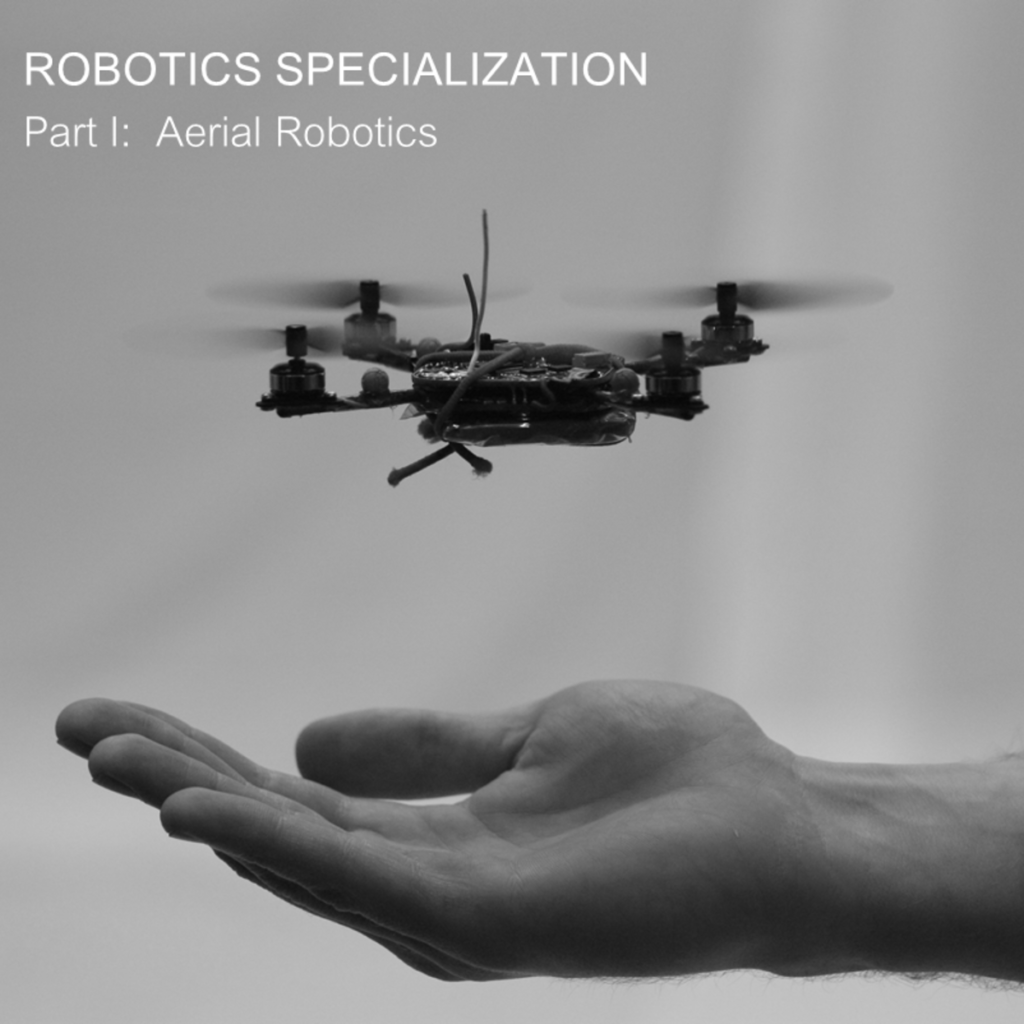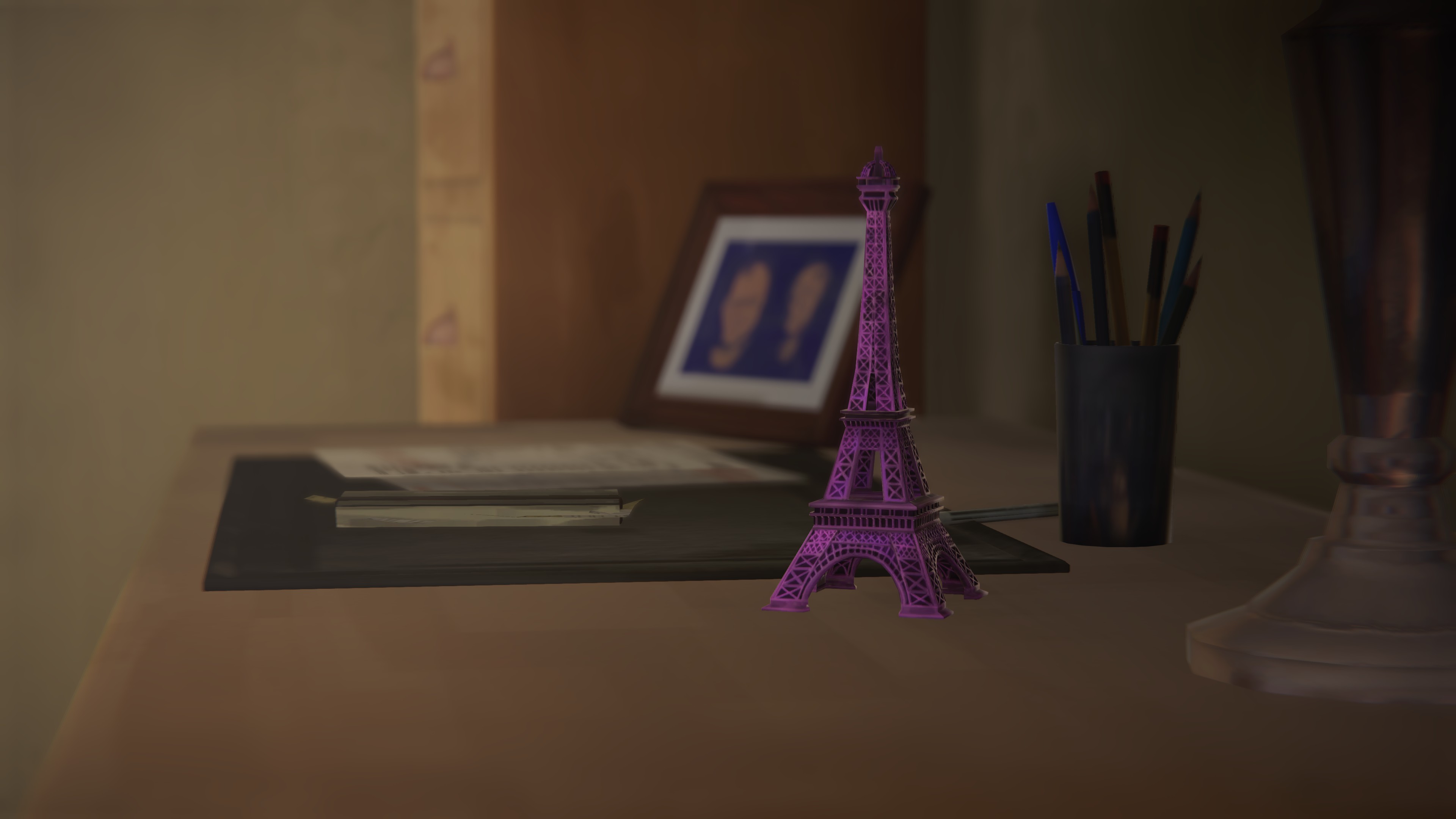
Starting a new MOOC series on Robotics!

I’m super excited to be taking a new MOOC specialization on Coursera taught by Dr. Vijay Kumar of UPenn’s GRASP lab. His team has produced some of the most spectacular advances in quadrotor applications I’ve ever seen and this comes at a time when I’m looking for more fun projects to work on. His talks have been a great inspiration to the aspiring roboticist and an encouraging sign for the near-future of robotics that lay at the intersection of computer science and the real world.

The demonstrations (linked above) of robot sensing and applications of swarm intelligence learned from hive-insect behaviors have been truly fascinating. It’s kind of humbling to see how much nature has provided us meaningful behaviors that we are now applying in our robots. Evolution may be slow, but when it comes to artificial intelligence and autonomous agents, biology is as much an inspiration as the mechanical-electrical bits.

Quite scary to think of how this technology could be used if in the wrong hands. Worst-case-scenario thinking provides ominous support to those at the Future of Life Institute and major figures increasingly signing on to the notion that AI in the wrong hands is an existential risk to humanity. (imagine: organized autonomous killing machines). But it’s also very clear through the demonstrations today that robotics has a bright future in positive applications.

So, with that in mind, I’m excited to take these courses because they appear to be a fairly comprehensive survey across the foundations of robotics and a unique opportunity to engage with fellow academic-hobbyists that want to get started in one of the cutting edge applications of computer science to the real world.

The courses include:

  1. Aerial Robotics
  2. Computational Motion Planning
  3. Mobility
  4. Estimation and Learning
  5. Perception

These courses are nice little reminder that for-profit Coursera hasn’t abandoned the segment of those who just want to learn and care not for a piece of paper. Many thanks to UPenn for continuing to produce such well produced MOOCs and whoever the media team was that produced Dr Kumar’s content.

I can do my part and encourage anyone ranging from the curious to serious hobbyists that want to gain a more solid academic foundation from one of the leading minds in robotics today, go take these MOOCS! Starts February 15th and looks to be ending sometime in June(?).

Here’s Dr Kumar’s trailer:

–x

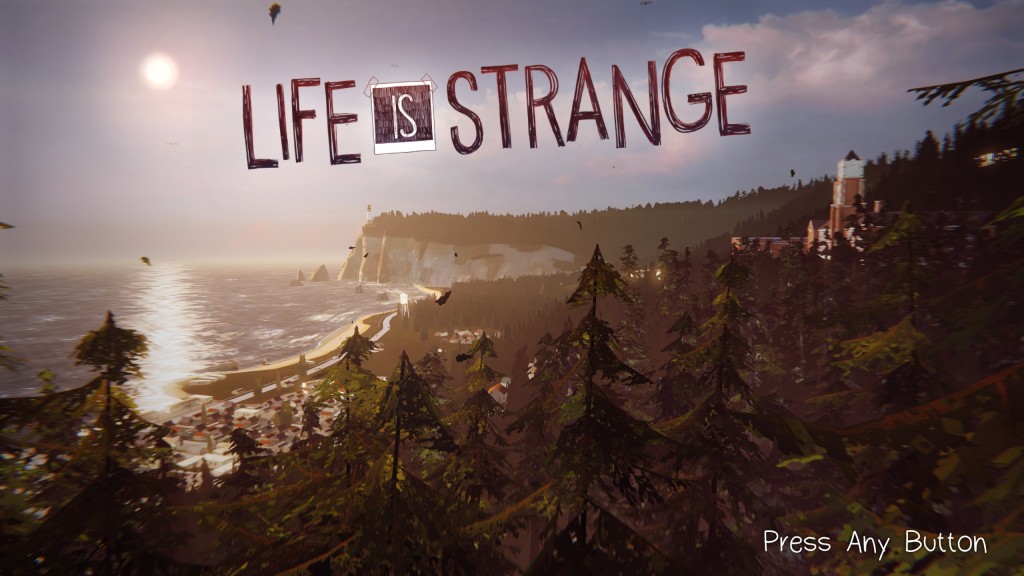
‘Life is Strange’ is Awesome! (update: 4k screenshots)

One of my favorite games of 2015 has been Life is Strange, an episodic adventure/RPG developed by Paris-based Dontnod Entertainment (produced by Square Enix). Not exactly a well known developer, their last game was Remember Me (2013), a sci-fi time-bending action/adventure game which while interesting in premise, had me bored within hours by the repetitive action / timing based puzzle gameplay. Poorly sales pushed the company to near bankruptcy and required a critical pivot to survive. Dashing away rumors of collapse, they chose to be smart and bold, streamlining the team and moving to an episodic developer model.

Knowing that this could be their last attempt as a company they began the amusingly code-named “What If?” project. That became the game that is Life is Strange, a game that evolved the time-bending concepts introduced in Remember Me and builds around it a compelling character narrative and mystery thriller. It was beautifully executed too, a focused more refined vision well within what the reduced team could produce excellently. I had started with Episode 1 released in January and had been playing it on the Xbox 360 version through Episode 4. Even there, despite it being 10 year old hardware, it was still a visually stunning experience.

Seeing that it was 50% off on Steam over the Thanksgiving holidays, I decided to start and finish a new PC play through. Of course, I was also was hoping for a substantial boost in graphics fidelity on the PC edition.

I was not disappointed.

Among the most visually appealing games of 2015

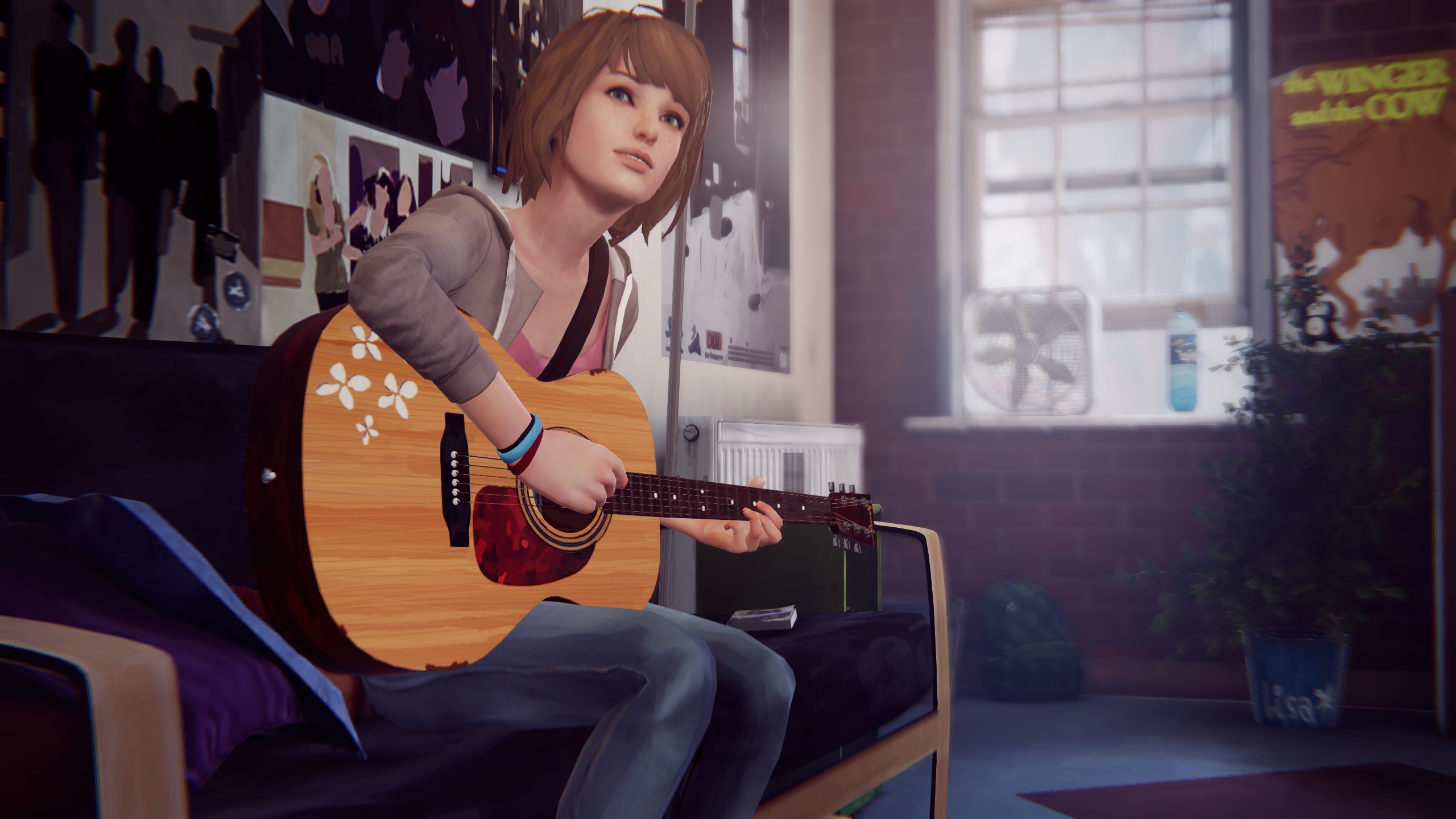
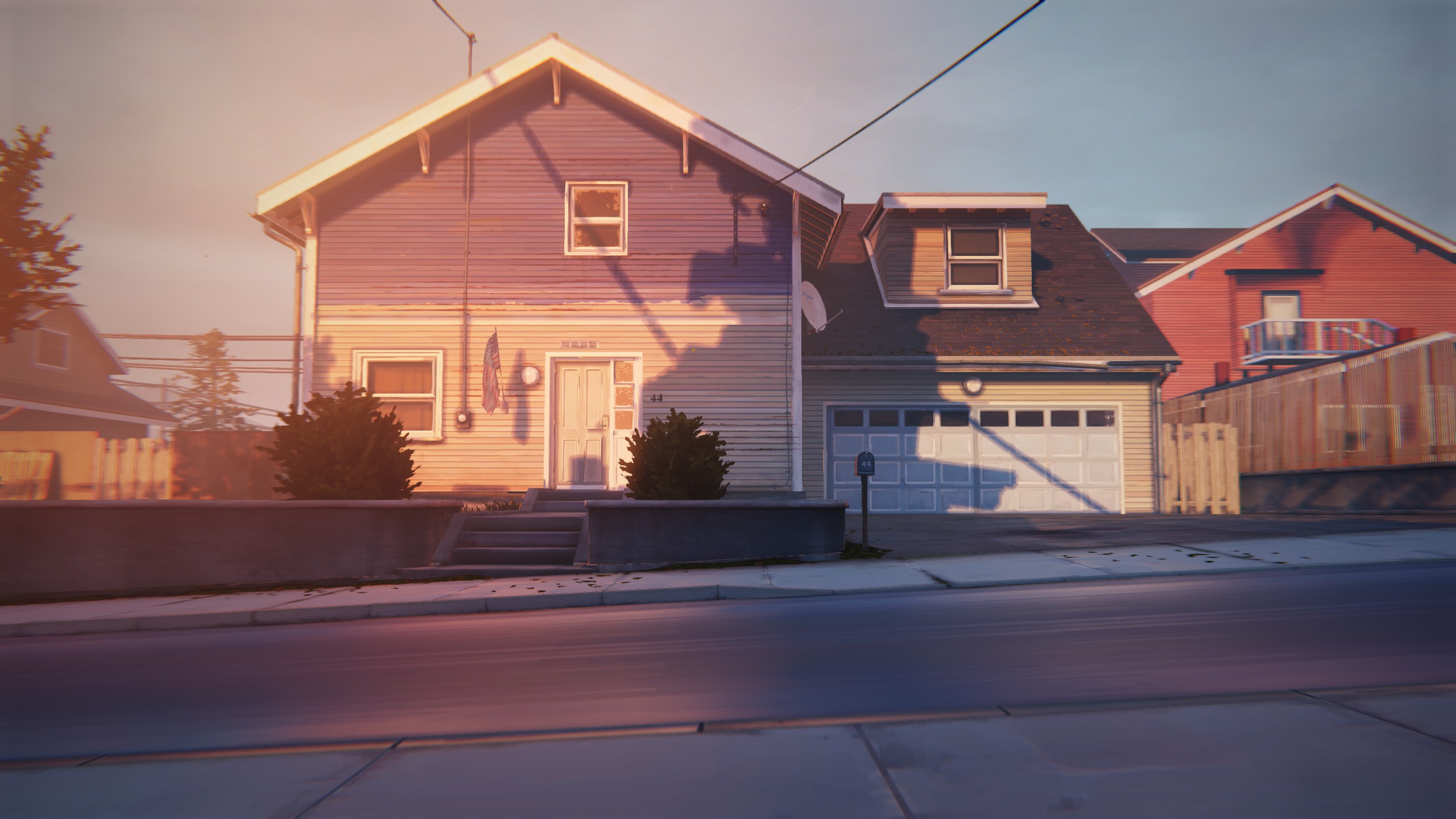
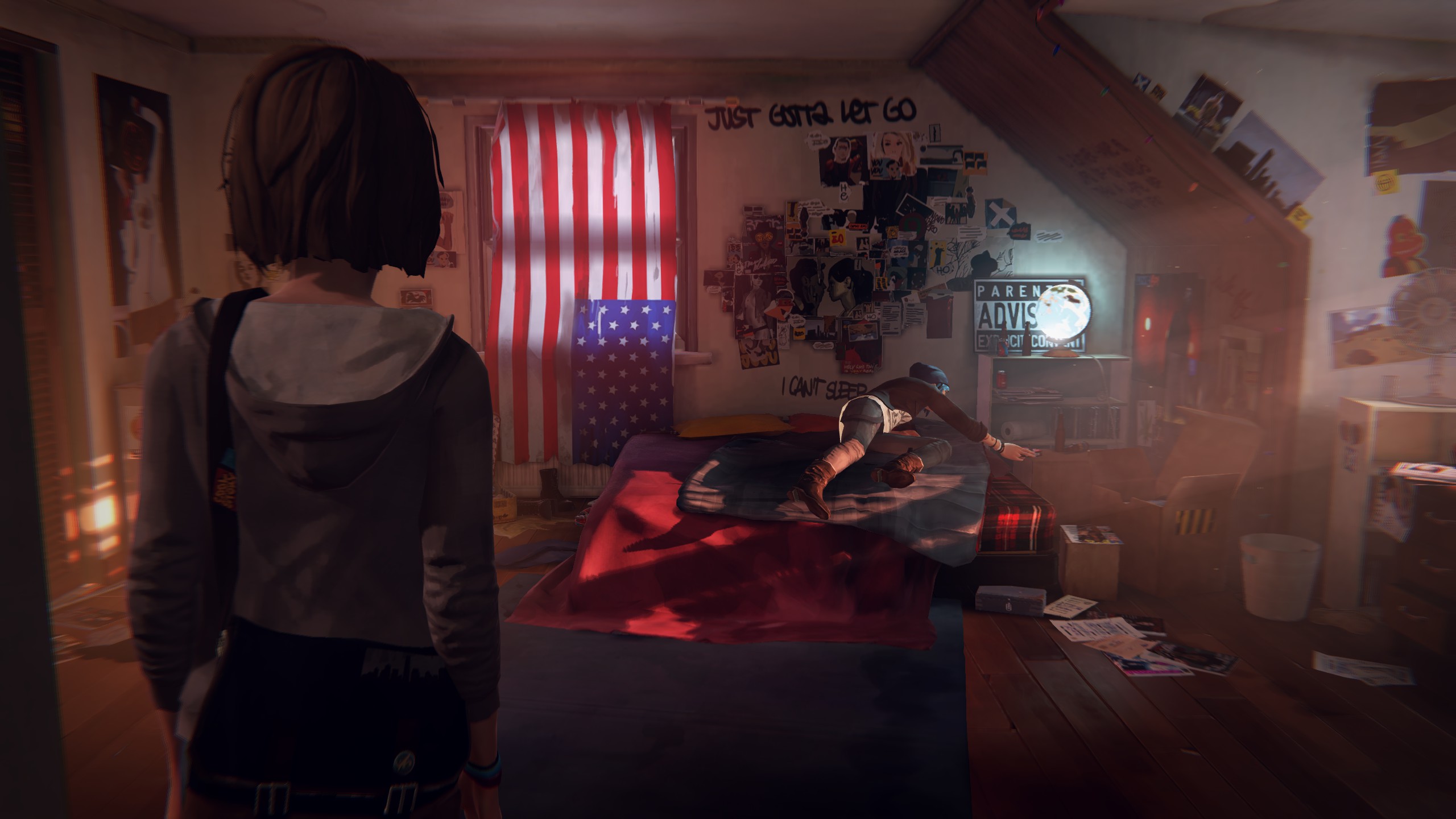
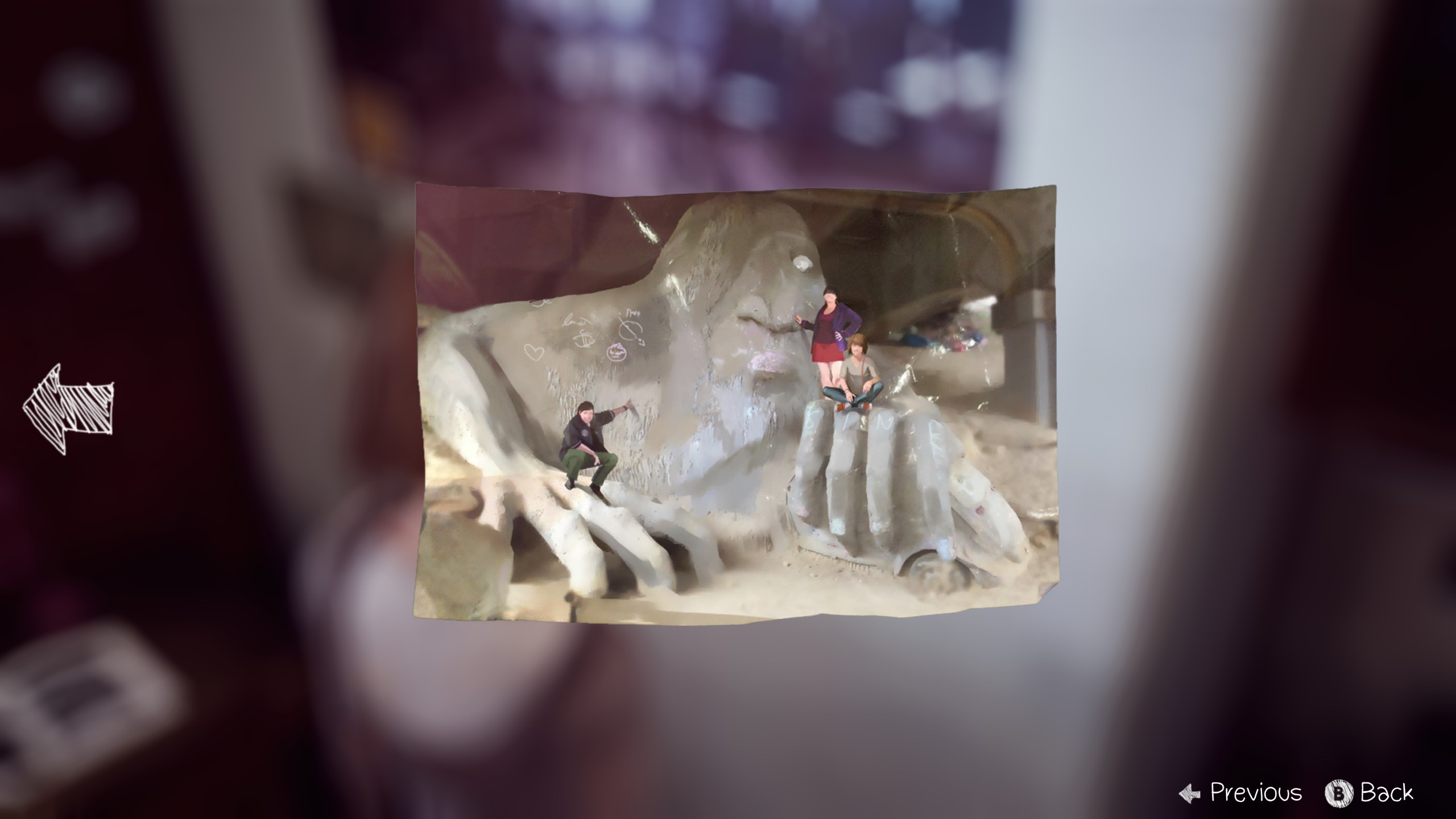
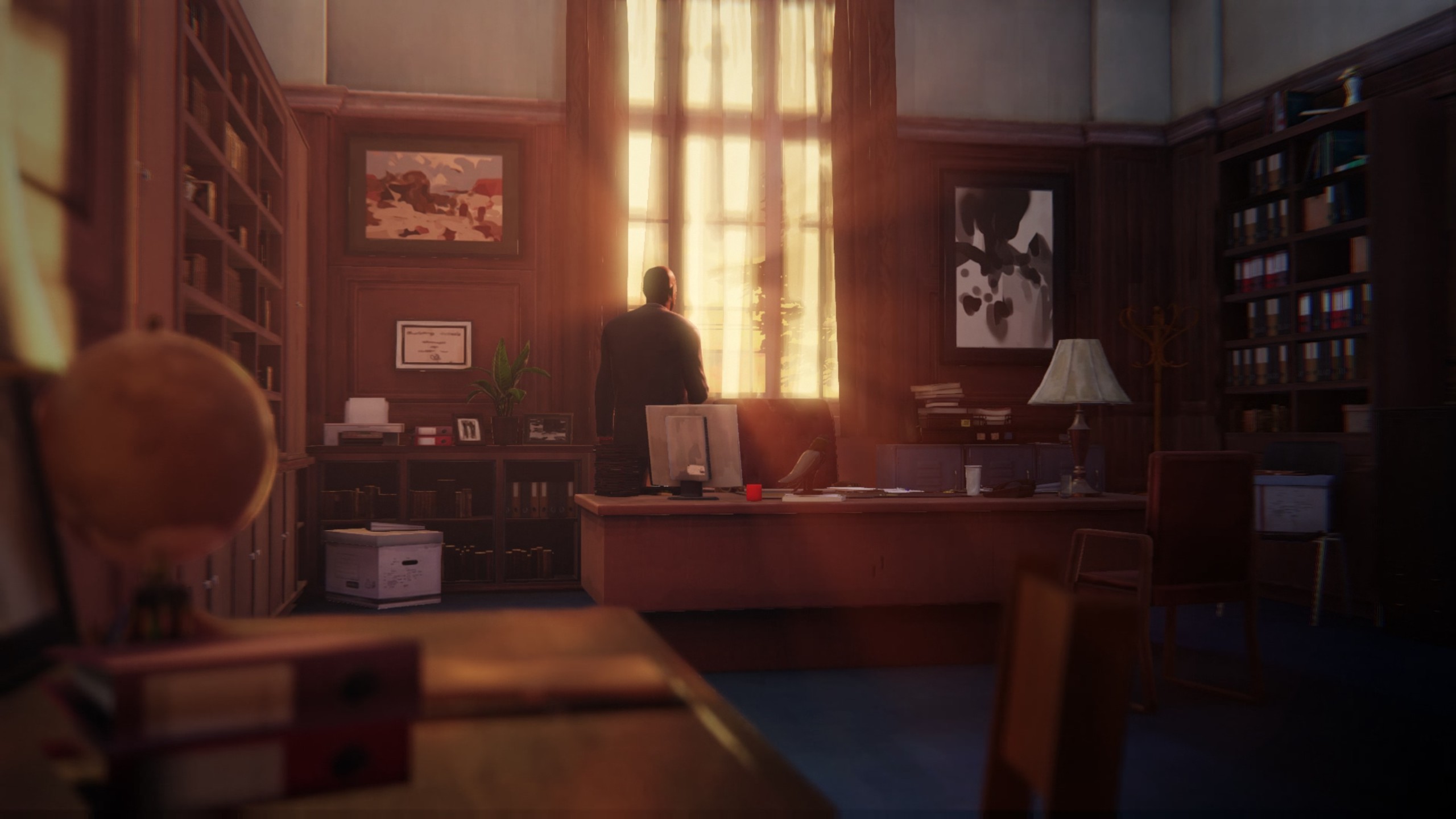
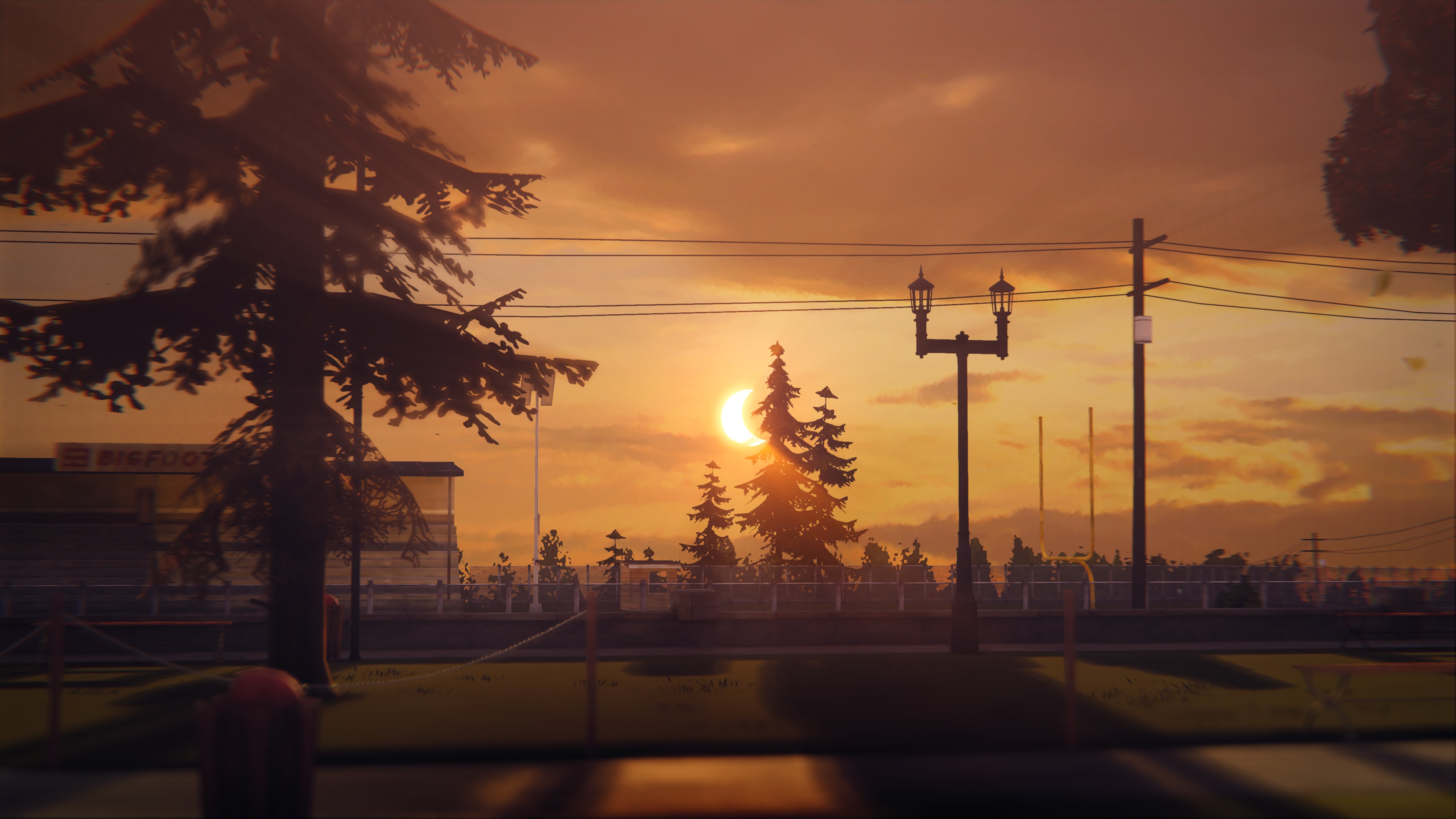
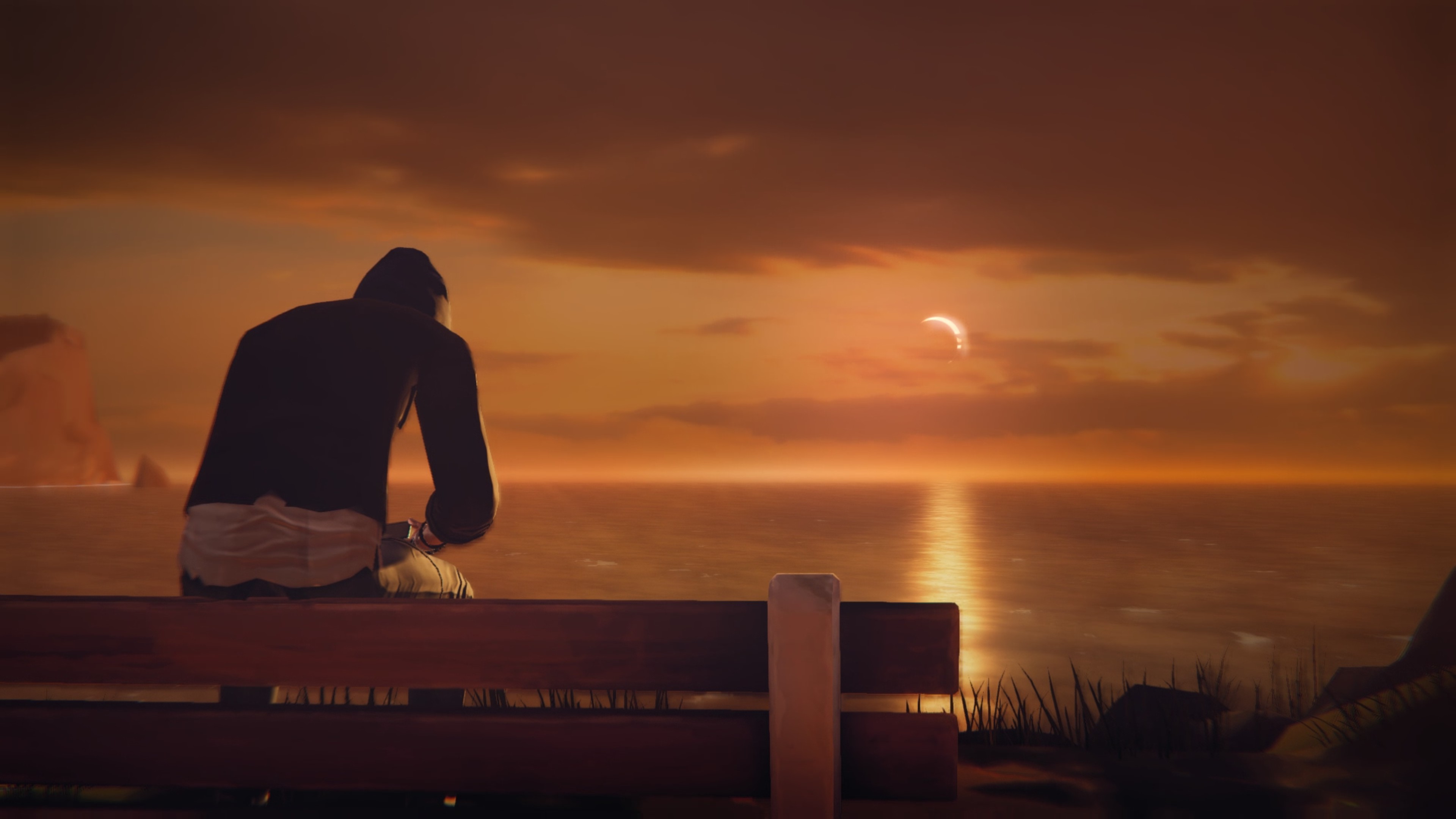
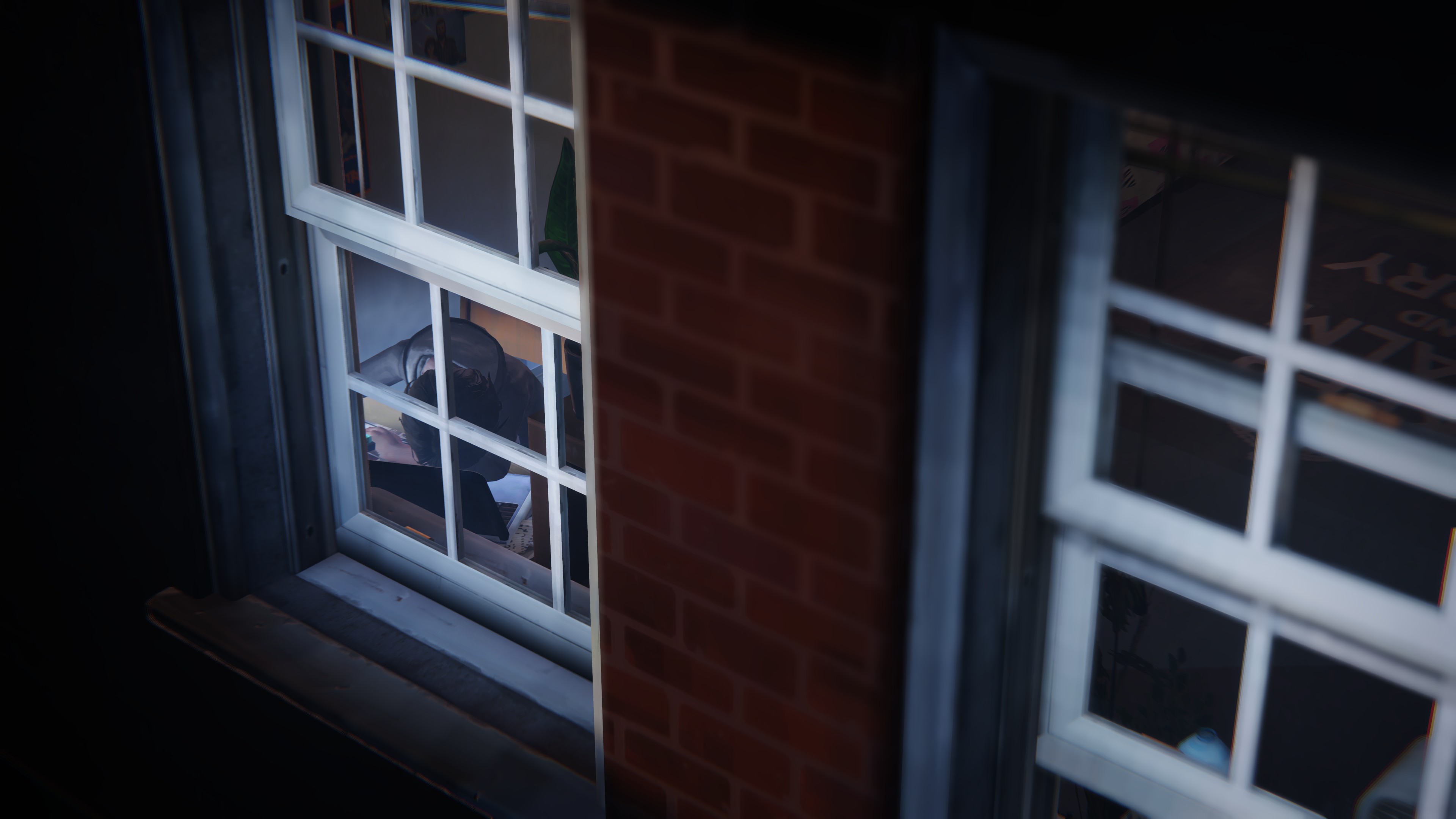
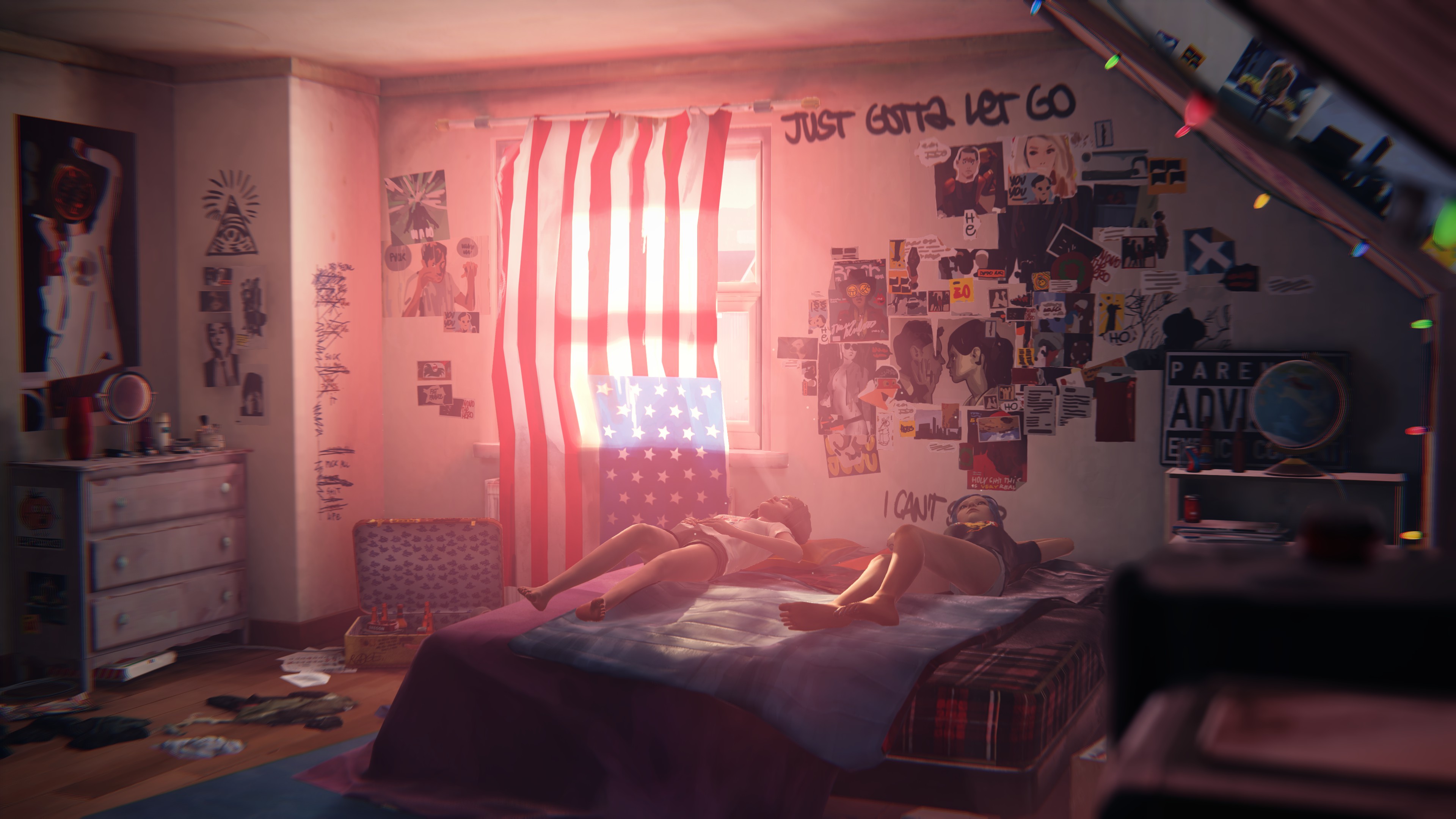
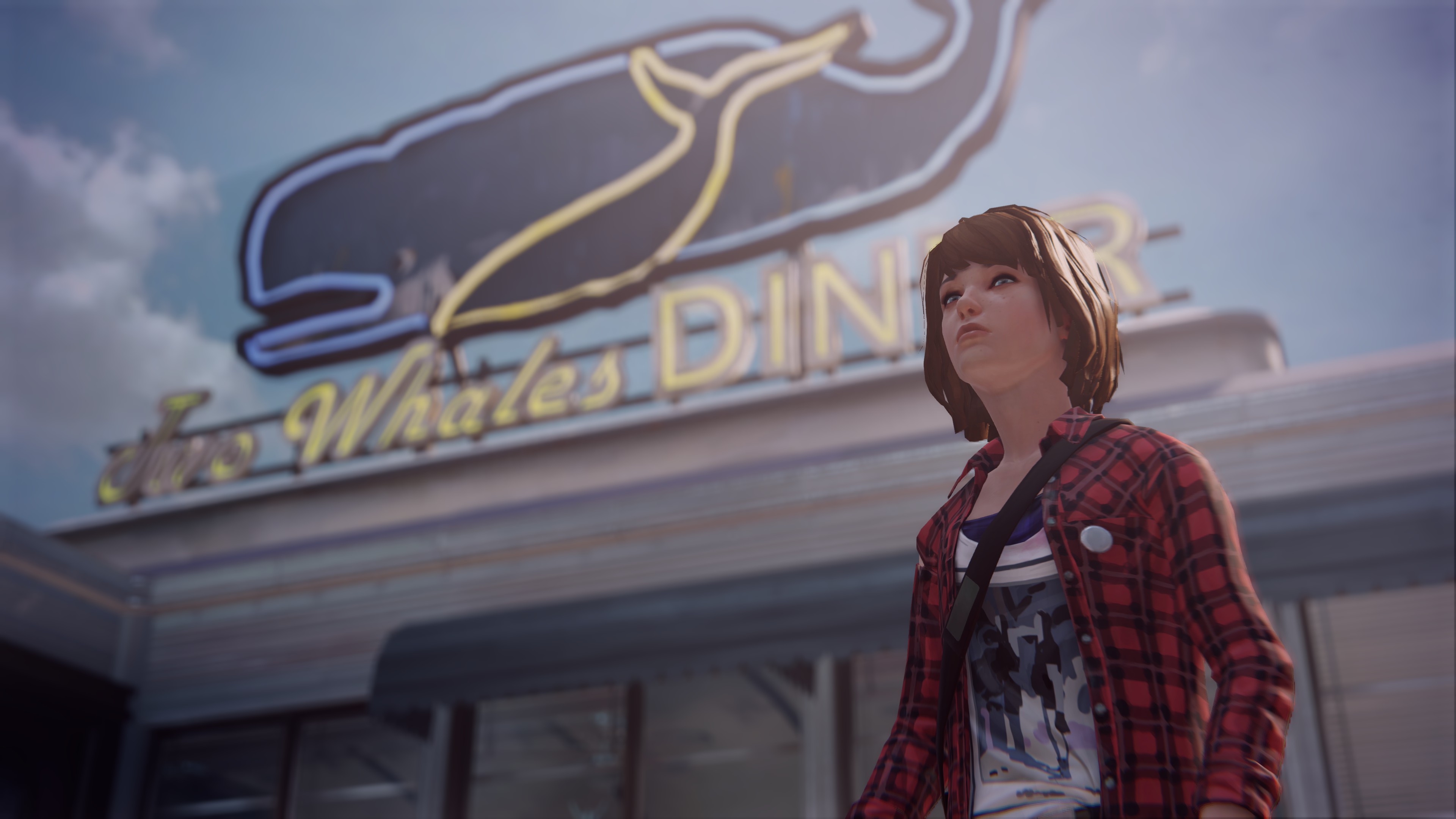
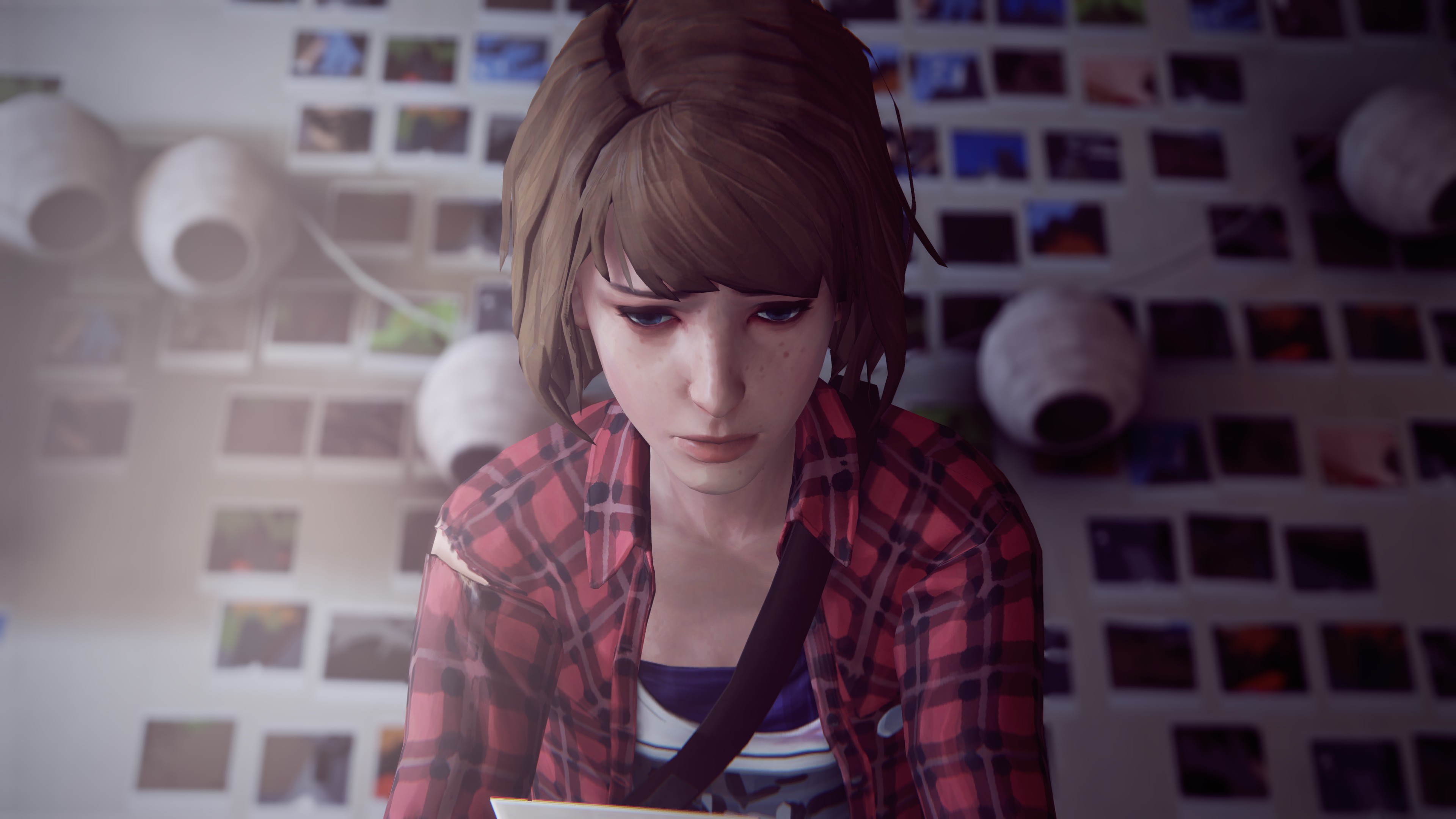
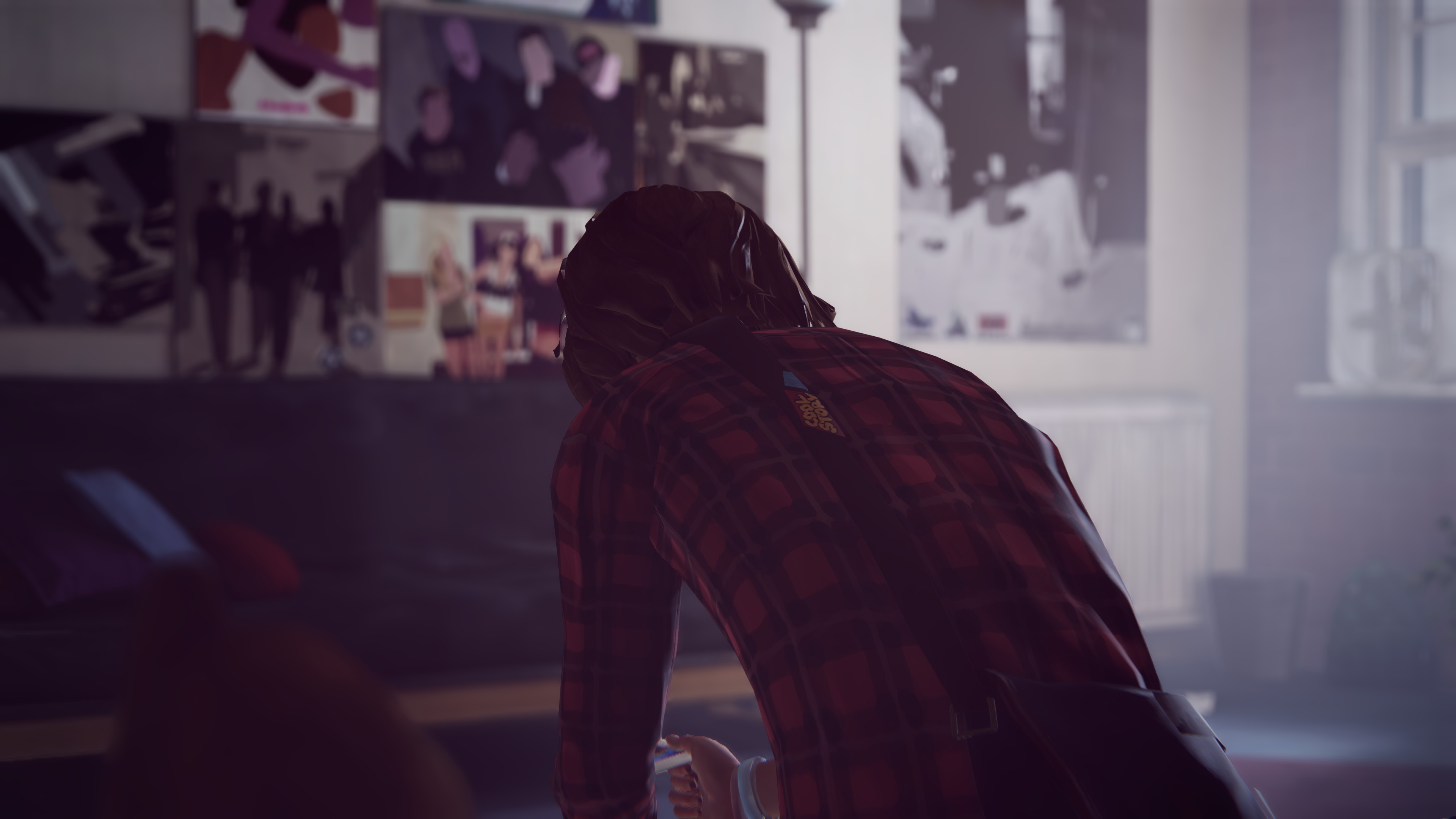
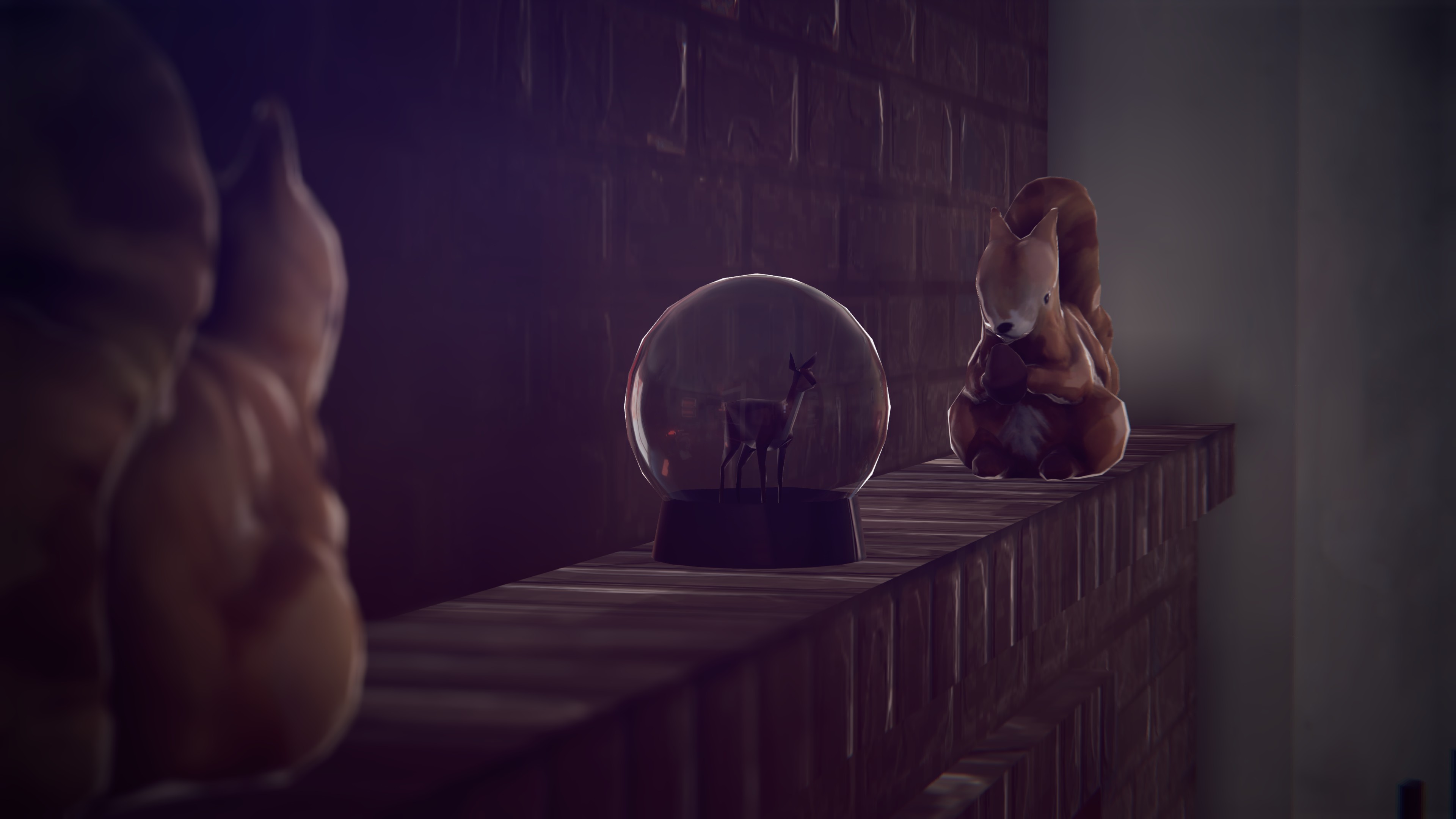
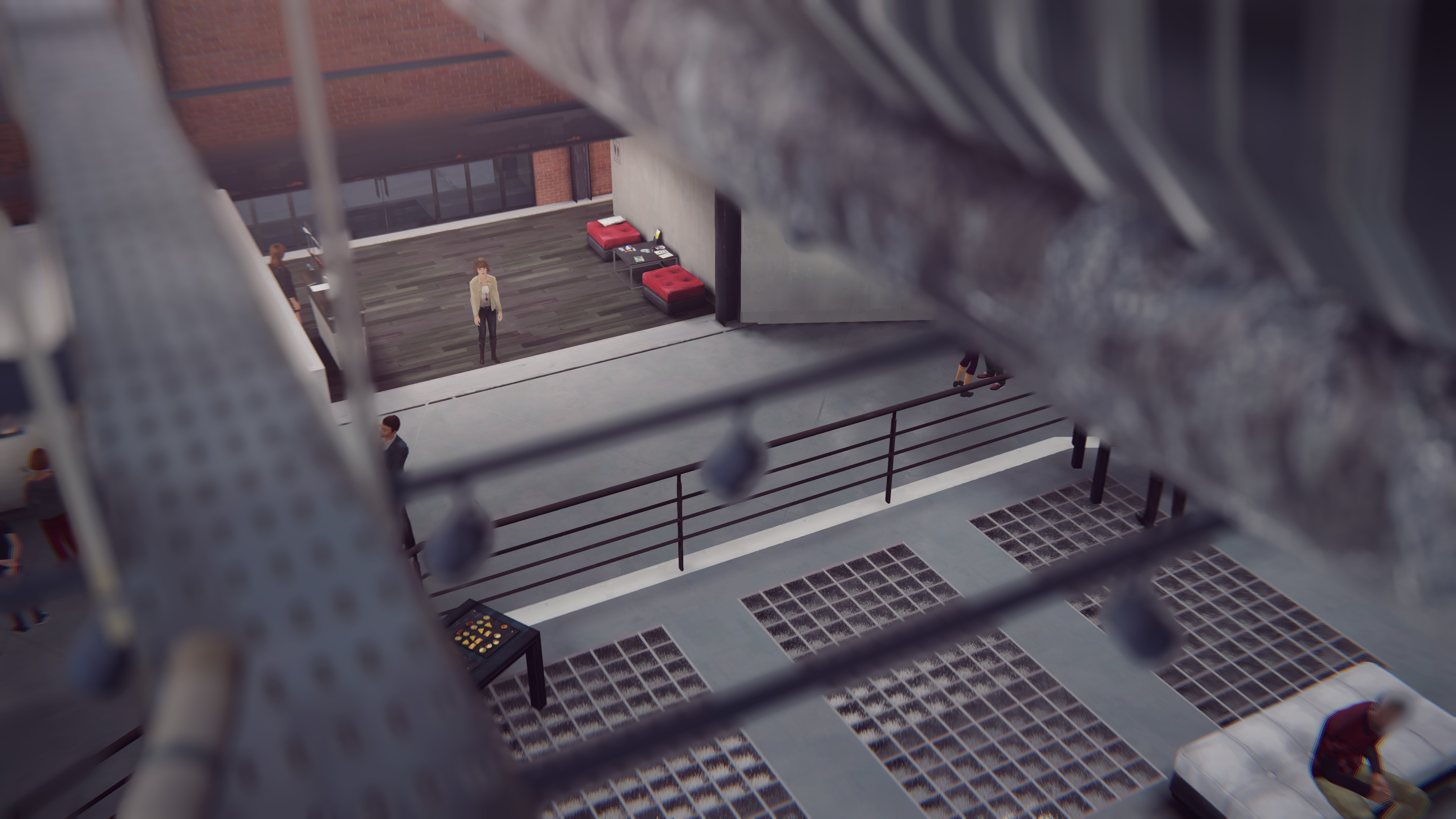
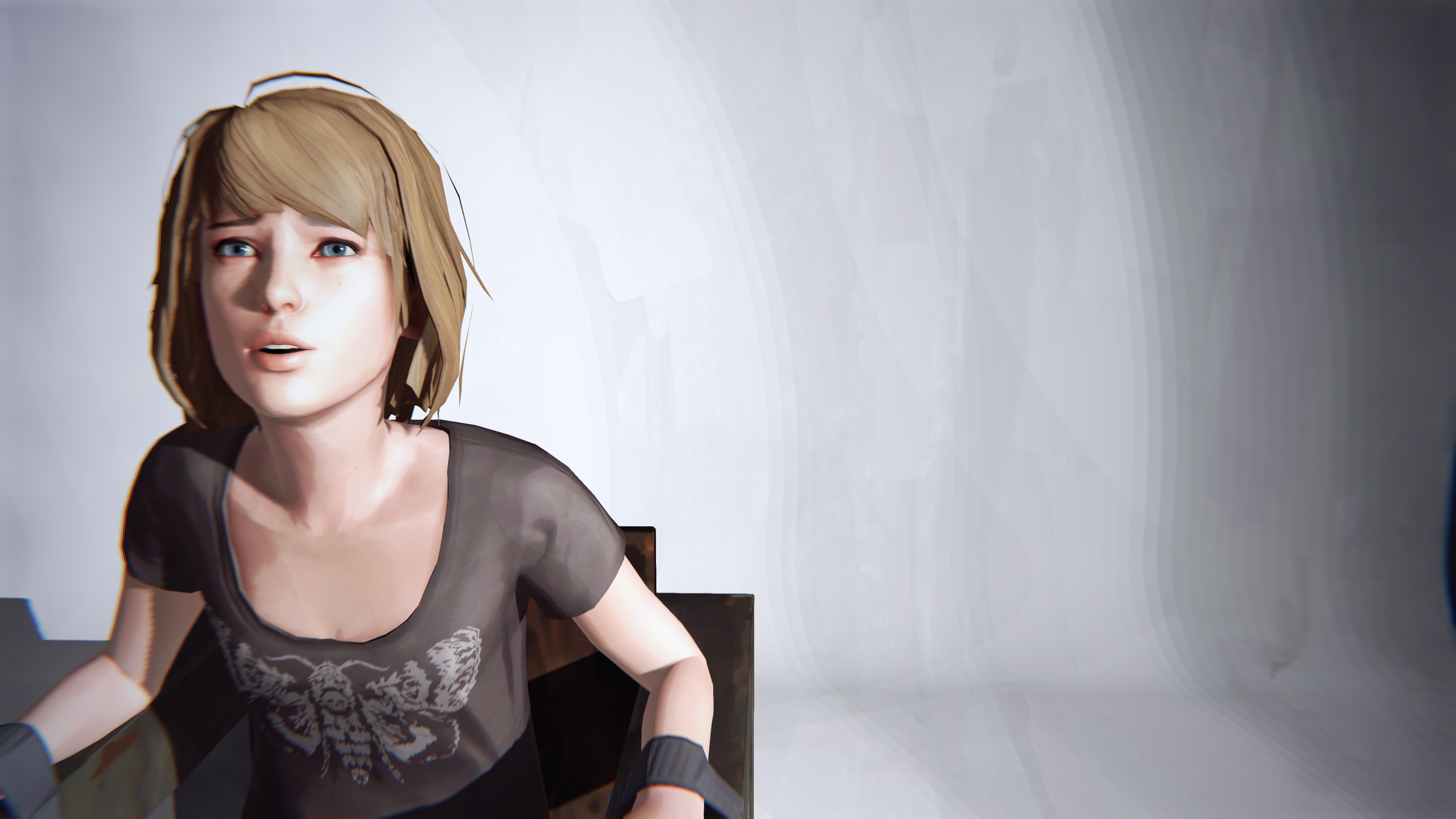
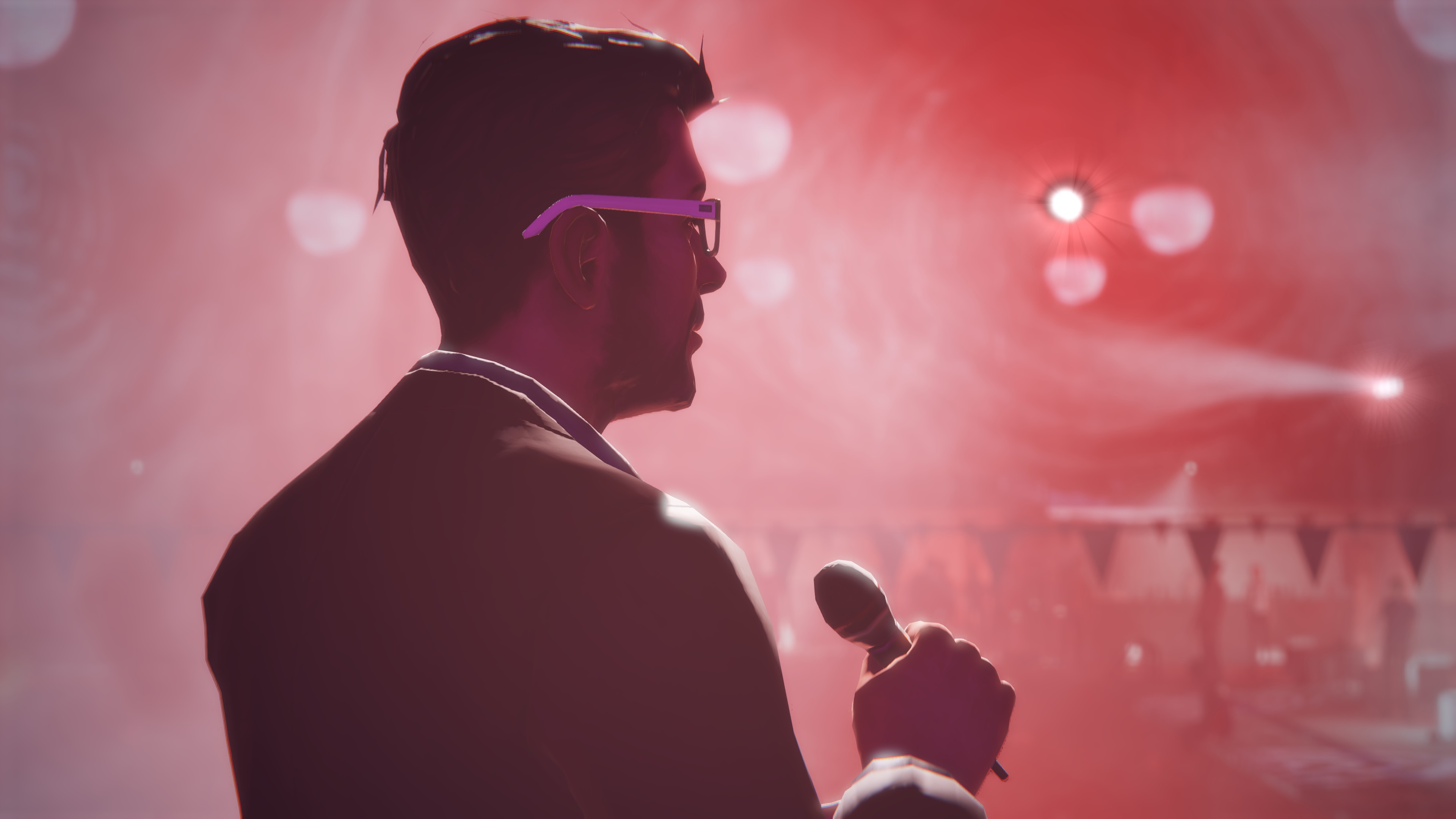
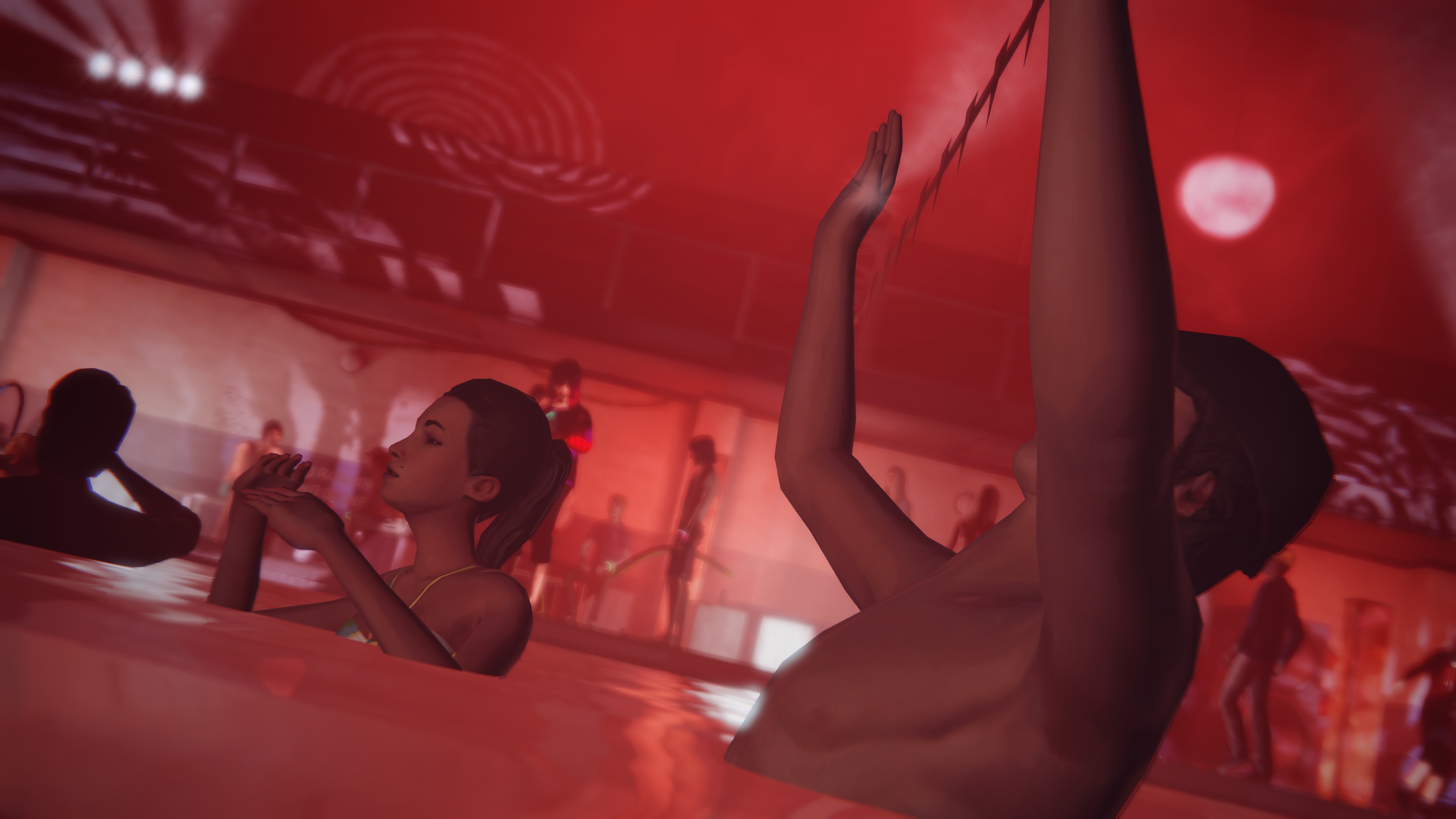
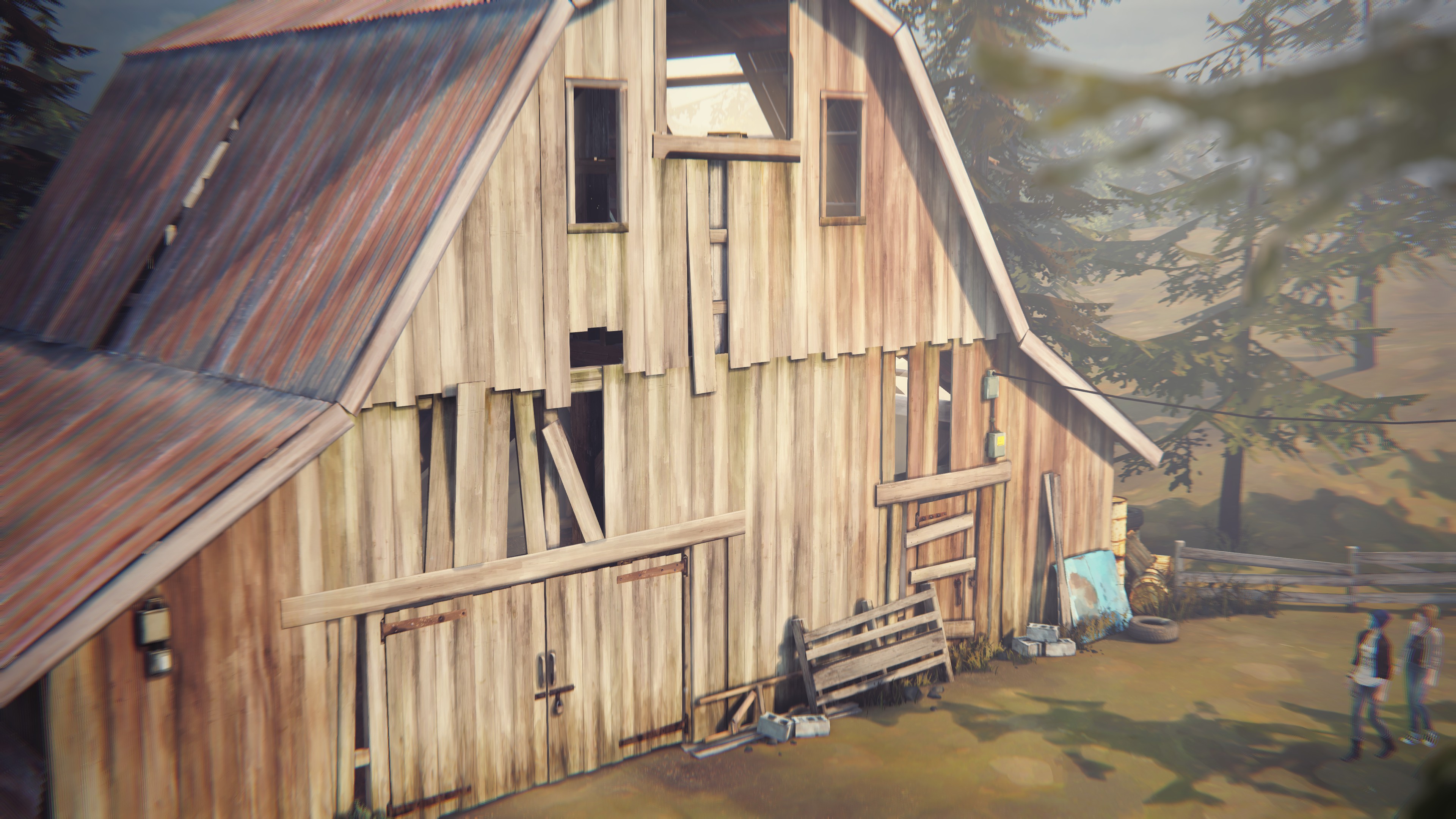
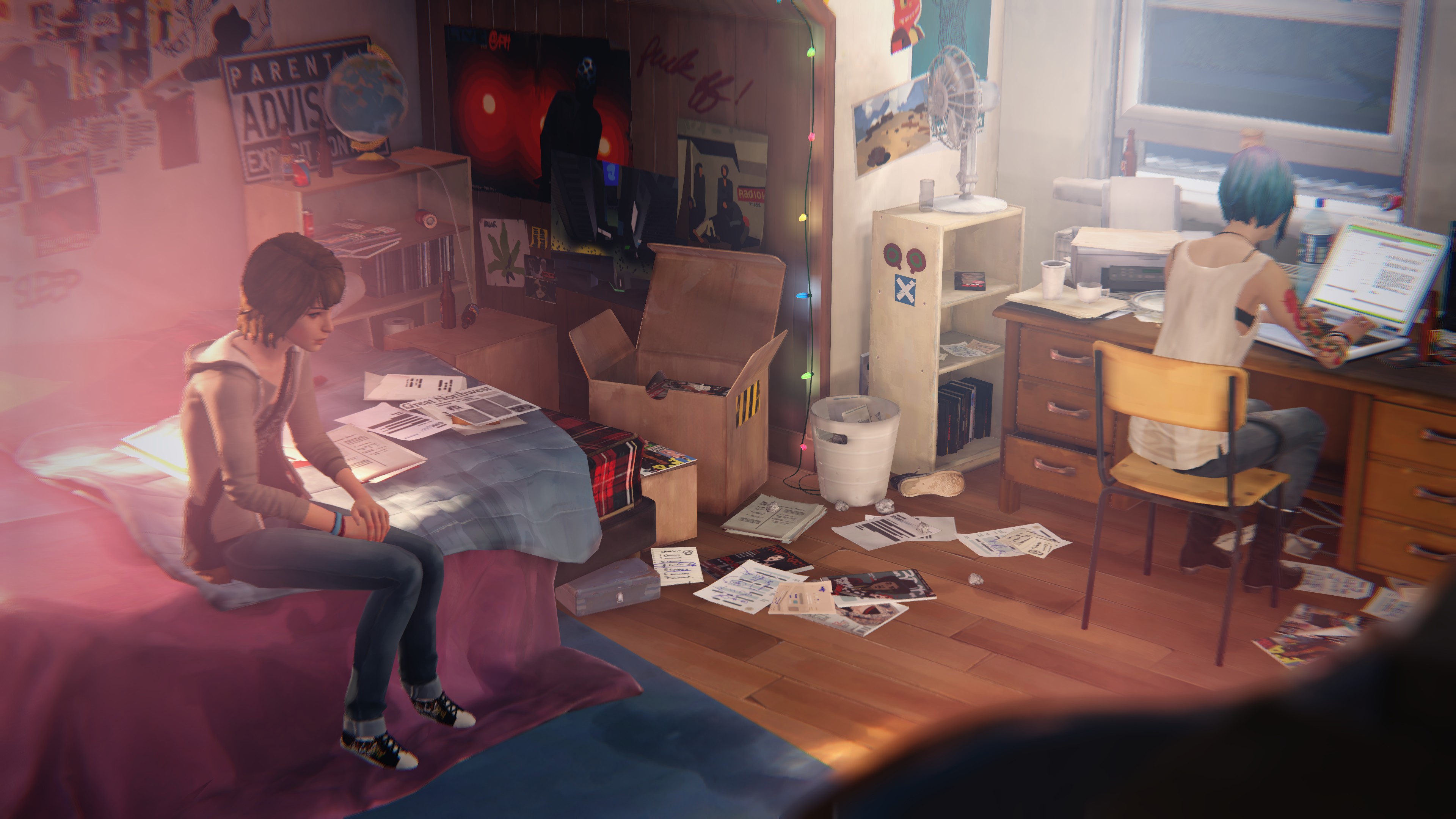
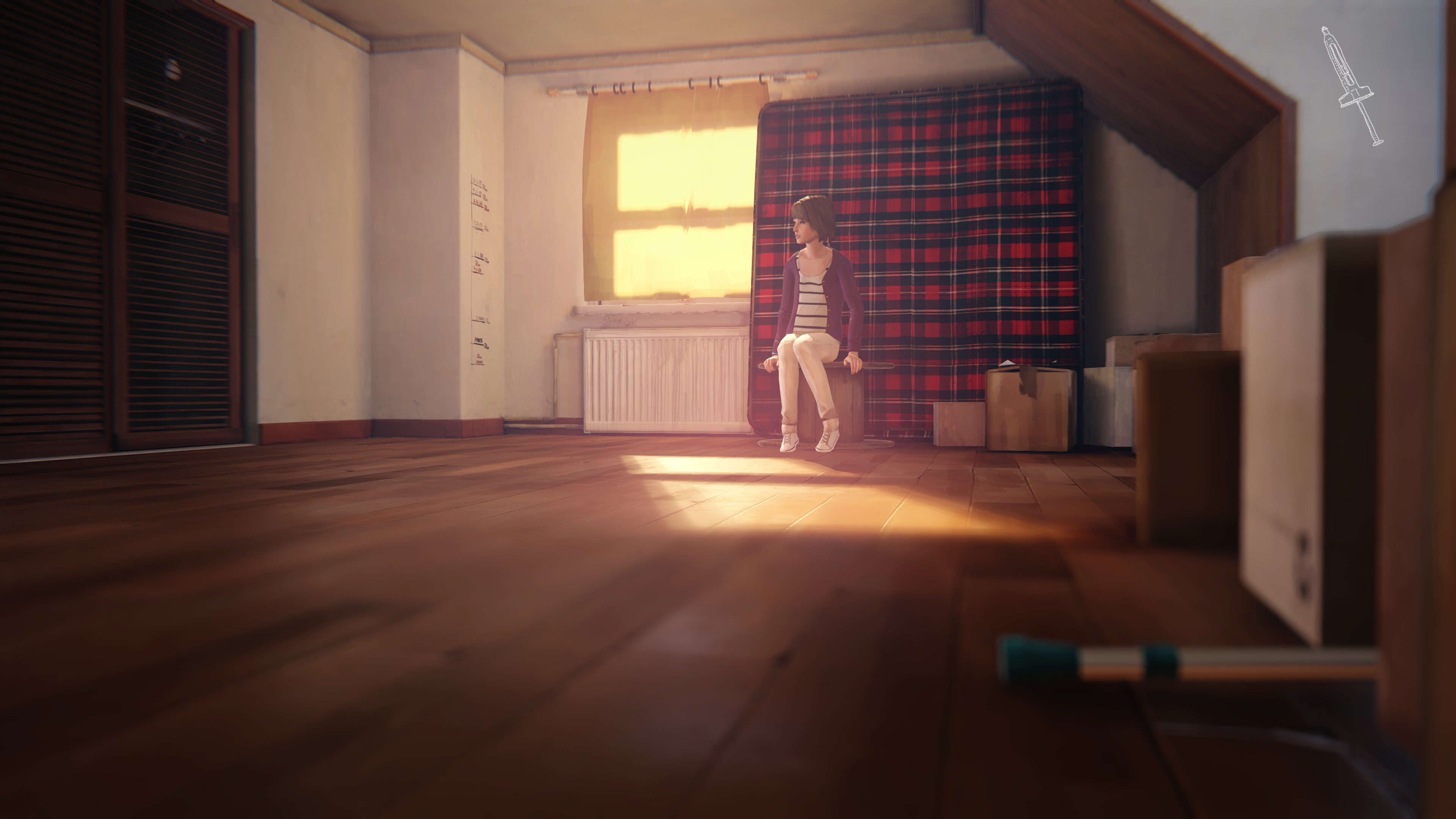
I managed to play on high settings at PC 4k (3840×2160@60fps) (screenshots below) and while the game may not be as technically stunning as GTA 5 or The Witcher III in view distances or triangle counts, Life is Strange still manages to provide a better cinematic experience and is easily among the most visually memorable games of 2015.

More than performance captured faces and ultra high triangle counts are at work here; in word word, I’d sum it up as the ambiance of the setting and story that they’ve captured in the medium. And it’s not just the graphics, the audio editing is excellent as well. There were several times while playing that I took off my headphones and was surprised to find myself in silence. Whether it’s the slight breeze, or chirping birds or soft diner, the scenes were well fleshed out and felt more real than my artificial indoor confines.

Practicing guitar, something I never did enough of

"Home shit home" - Chloe

Chloe "medicating"

Fremont Troll, Seattle

2015-11-26_00058

Most meaningful game I’ve played since Mass Effect 3

Adventure RPG has becomemy favorite genre and while I love the freedom that comes with a Fallout 4 or GTA 5 (playing both now actually), a clearly told tale with truly likable characters and a solid plot is such a rare gem that I can count them on one hand; such represent the hallmark of why I love the medium. As for Life is Strange, I’ll go far as to say that this was the most meaningful game I’ve played since Mass Effect 3. The story is fascinating, the setting beautiful, characters that are truly likable and entertaining, and as a sucker for nostalgia, I felt that they effectively brought back a mix of old and new; having been set in 2011 and in a high school theme.

The game also has a strong sense of present day reality, a unique trait among games these days where fantasy and science fiction seem to dominate. Even most present day games tend to avoid mention to real-life entities, so the game is unique in that it works hard and succeeds at feeling like it’s not just a believable setting, but one in the real-world.

“Maybe I can sneak in here to watch Final Fantasy: The Spirits Within. I don’t care what anybody says, that’s one of the best sci-fi films ever made!” – Max

Social media, smartphones, the modern-hipster vibe of the PNW, references to the ongoing drought are all (not-so) subtle reminders that this game takes place not in some far off place, but in our world, and there it succeeds in providing an immersive experience and a compelling setting for the story as it unfolds.

(I won’t go into the story here; plenty of spoilers elsewhere.)

Speaking of which, I’ve only finished PC Episode 1 so far, so back to the game! 🙂

2015-11-26_00017

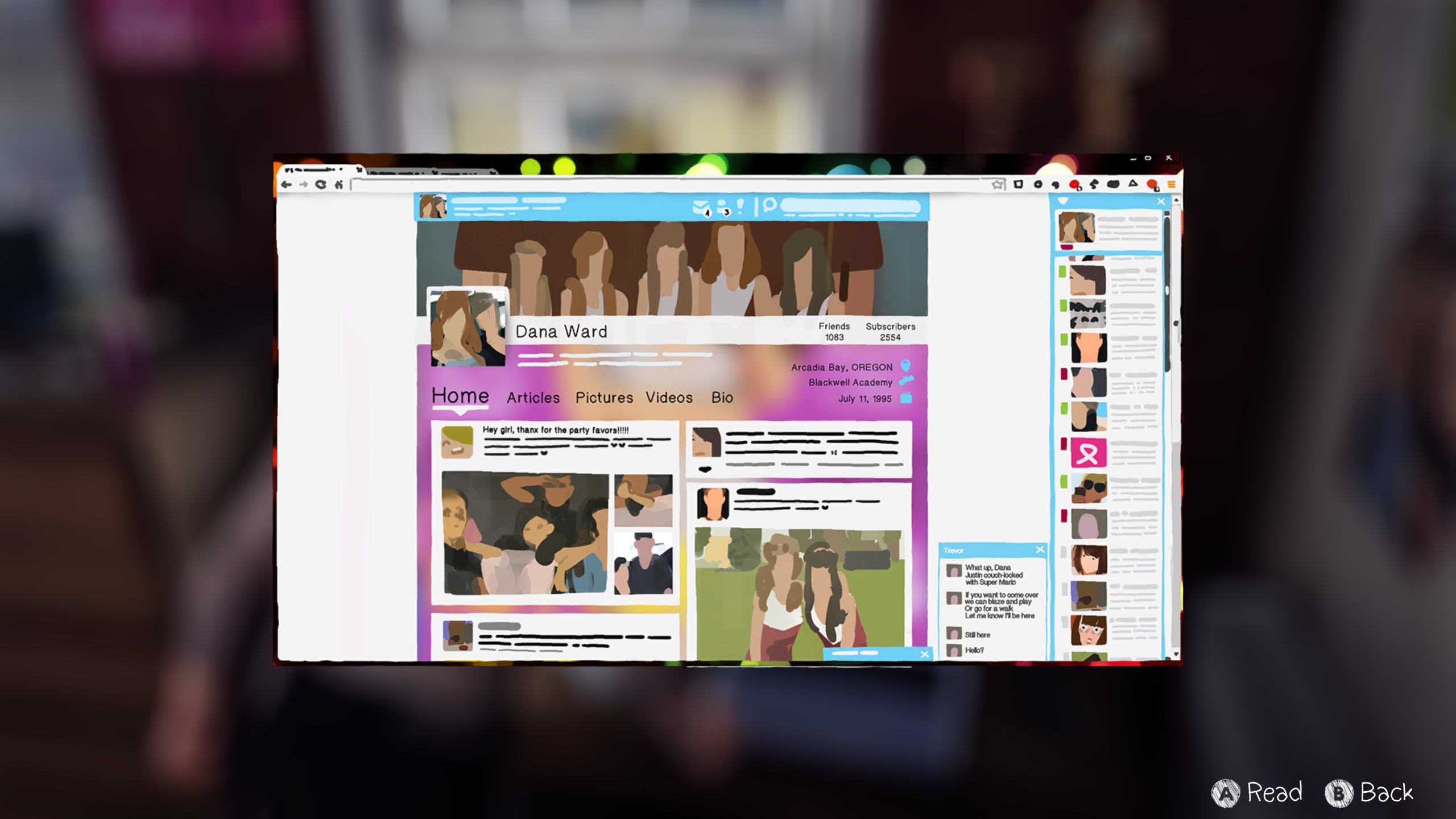
The screens don't say it, but 'Facebook' is specifically mentioned in dialog.

2015-11-26_00041

UPDATE (1/12/2016): I recently obtained an Nvidia GTX 970 and decided to finally finish the game in 4k (3840×2160) resolution. I had been playing in 2550×1440 before so I wasn’t expecting a major boost but 4k is double the amount of detail and wow, it is stunning! The below isn’t really appreciable unless viewed at 4k but they make great wallpapers at any scale!

1995: 20 years ago, I joined the Internet

Twenty years ago today (roughly), I joined the internet. It wasn’t a particularly glamorous affair, but was necessitated by MSN (not the website, the original ISP service that debuted with Windows 95) having shut down its service in Korea, forcing me to find a local ISP (and convincing my parents that 7,000 won a month (about $6) was worth connecting to this nascent world wide web. For that, you’d get access to Chollian’s ISP, and 15 hours of access to the “internet” via PPP dial-up.

I was 10 years old and my family had just moved to Seoul from the United States for reasons that I still am not quite sure of, and in the demise of MSN, the ISP, I had just lost a major connection to the English speaking world that I had left behind. Quite sad, I know, but all that was about to change. I chose a Korean ISP called “Chollian”–which literally meant “vision of a thousand li” (li was a unit of distance in old Korea). No reason why i picked it other than that I got a CD with a trial; think of those old AOL CDs.

I spent a while trying to pick a screenname and email address, and ended up with: aer95@chollian.net. It was 1995 and ISP emails were the only way you’d get reasonable email. (Go ahead, spam it all you want. I doubt it even exists anymore. Oh where oh where do the lost emails go?) Anyone who asks about the origins of the name will be regaled with a rather hilarious story of the hours I took to come up with it. (Okay fine: one involves my name Alexander {obviously}, the E. and the R. stand for “Enforcer” a screenname I used frequently in Duke Nukem 3d multiplayer matches, and “Riker” as I believed the good TNG number one was a badass, esp as Admiral). Need I remind you, dear reader, I was 10 in ’95 and personal identity was an important thing to a kid.

It’s hard to recall what my first experience online was like; certainly I had an awareness that “holy shit, I’m connected to the world!”. But in 1995, (especially in Korea where most families didn’t even have a computer), with barely 0.4% of the world on the internet, there really wasn’t much to do other than, well browse here and there and try to find interesting things. I had already been online over the past year on closed-ISPs which made it quite easy to have a curated, though highly limited, online experience (recall AOL, Prodigy, and MSN, which kept their own little communities? Lest we forget, this was a big part of the “online” world in the 1990s. I was involved with a Doom map making community rather early, and I was blown away by how much interesting stuff I could find and explore.). By comparison, the discovery experience for new world wide web user was quite brutally obtuse. Imagine you have never heard of the internet and you open a browser for the first time (one without a decent portal); without knowing that a search engine exists, how would you even know what to enter into the blank URL bar? I remember being confused even at the syntax of a URL: http://www.chollian.net <- a web URL is second-nature to us now in 2015, but in 1995, at first glance, it was quite foreign.

(On a side note, when my family moved to Korea one of my chief concerns was falling behind in my learning, and not being able to keep up if/when I returned to the US. My early use of the internet absolutely turned that around, and I was able to learn at my own pace, to my own interests. The internet absolutely was a formative experience of my childhood.)

But the “Internet” was quite different back then. I didn’t even know what a search engine was, let alone what to do if i didn’t have one of those mysterious “URLs” to go somewhere interesting. The blank page and address bar were like big question marks. It seemed like the only way I could find anything was via links from other pages; which turned my internet activity into some sort of scavenger hunt. I’m telling you, you kids today don’t know what it was like back then. My first modem was 14.4 kbps. That’s KILOBITs per second. I developed mental math to convert megabytes into time, (turned out to be roughly 10 minutes per megabyte, which is still ten times faster than New Horizons is sending data to NASA right now…), which was an important conversion when using the internet meant nobody could use the home telephone line. Trust me, however old you are, it is not easy convincing your parents that it’s ok that their phones aren’t working, and having them plan out their calls… lol.

But what was I doing back then? Most of the time, I was reading the news about what’s happening in the world (in English, before the internet it was quite difficult to find content in the language of my choosing), finding new shareware games to download and play, and/or picking up random fun things to do. I learned both Doom map making and Photoshop at around the same time.

By 1996, I was 11 and had at least one other friend from school that would explore the internet with. Yahoo chatrooms were particularly memorable. He would enjoy trolling people, whereas I’d find the most interesting person in each room to figure out/learn something new. We’d coordinate using an ancient IM platform called ICQ. I don’t even remember my ICQ ID. I was also an avid PC gamer at the time, and I’d frequent many tech sites oriented towards games and the PCs needed to run them.

Still, it was a very impersonal affair, and while the internet always was about connecting people, back then, it was certainly not easy, and most definitely not “encouraged” by the media, which seemed oddly terrified at the idea of a computer that was connected to gasp other people. I recall at least a few random people chatting and making sorta/kinda friends that existed somewhere in the world. It was like pen-pal discovery for the digital age. “a/s/l?” Do people still do that?

(Aside: I feel like the real-name orientation of Facebook has taken away some of the fun and mystery of discovering the human behind a screenname. “Add Friend” is just not nearly as intriguing as “a/s/l”, even if most of those interactions were rather silly and pointless.)

That’s how I recall the internet back in the mid 1990s, a curiosity for most people, at least for me, with hardly any means for connecting with anyone. But by my local standards, I was already exposed to a small but growing population of internet users, barely 0.4% of the world population, and a phenomenon that would be hugely upend everything. It was pretty obvious by the late 1990s, especially in Korea, which like a crazy stampede, everyone suddenly decided that mobile infrastructure and the broadband internet were top national priorities. Hot damn. A bet well played.

All that changed with the emergence of social media, and real-time communication media; which turned the web from static place, into the living, breathing, web that connects a growing majority of the world’s people and information. Half of the entire planet’s population, three and a half BILLION people, are just an IM/SMS away.

How amazing is that! We’ve come a long way in 20 years, and the march goes on. Let’s connect everyone!